
If we cut our skin or break a bone, these tissues are able to repair themselves. The human body is remarkably good at healing and recovering from injury.
Tooth enamel, however, is very different. Once it is damaged, it cannot regenerate. Unlike other tissues in the body, enamel contains no living cells that can repair cracks or rebuild lost structure.
At the same time, the mouth is a particularly hostile environment for teeth.
Every day, our enamel is exposed to significant challenges, including:
-
Powerful biting and chewing forces at every meal
-
Acid attacks from foods, drinks, and bacteria
-
Rapid temperature changes, from hot drinks to cold foods
-
Constant mechanical wear from chewing and brushing
Despite these harsh conditions, the enamel we develop during childhood often lasts throughout our entire lives.
The Strongest Substance in the Human Body
Tooth enamel is the hardest substance in the human body, even stronger than bone. It is made mostly of tightly packed mineral crystals called hydroxyapatite, which create an extremely strong outer layer that protects the softer inner parts of the tooth.
But strength alone does not explain how enamel survives decades of daily stress.
Scientists have long been interested in understanding how enamel manages to remain intact for so long. As Pupa Gilbert explains when discussing recent research into enamel structure:
“How does it prevent catastrophic failure?”
A Remarkable Natural Design
Recent research suggests that enamel has a complex internal structure that helps prevent cracks from spreading. Instead of being one solid block, enamel is made from millions of tiny rods arranged in intricate patterns.
This design allows enamel to:
-
Distribute chewing forces across the tooth
-
Stop small cracks from spreading further
-
Absorb tiny amounts of stress without breaking
In other words, enamel behaves a bit like advanced engineered materials, using microscopic structures to maintain strength while preventing sudden failure.
Protecting Your Enamel
Although enamel is incredibly durable, it is not indestructible. Over time it can be weakened by:
-
Frequent acidic foods and drinks
-
Teeth grinding (bruxism)
-
Poor oral hygiene leading to decay
-
Trauma or dental injury
Because enamel cannot grow back, protecting it is essential. Simple steps such as brushing with fluoride toothpaste, limiting sugary or acidic drinks, and attending regular dental check-ups can help preserve enamel for life.
When Enamel Problems Become a Dental Emergency
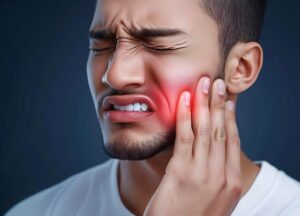
Sometimes enamel damage can lead to severe tooth pain, cracks, or infection that require urgent care. If you experience sudden tooth pain, a broken tooth, or swelling, it is important to seek advice from an emergency dentist as soon as possible.
Prompt treatment can help protect the remaining tooth structure and relieve discomfort quickly.